
TL;DR: Indoor plumbing in the United States began in New York City in 1842 with the completion of the Croton Aqueduct. Residential installations started in the 1850s for wealthy households, but indoor plumbing did not become common in most American homes until after World War II. The concept itself goes back to ancient Crete around 1700 BC.
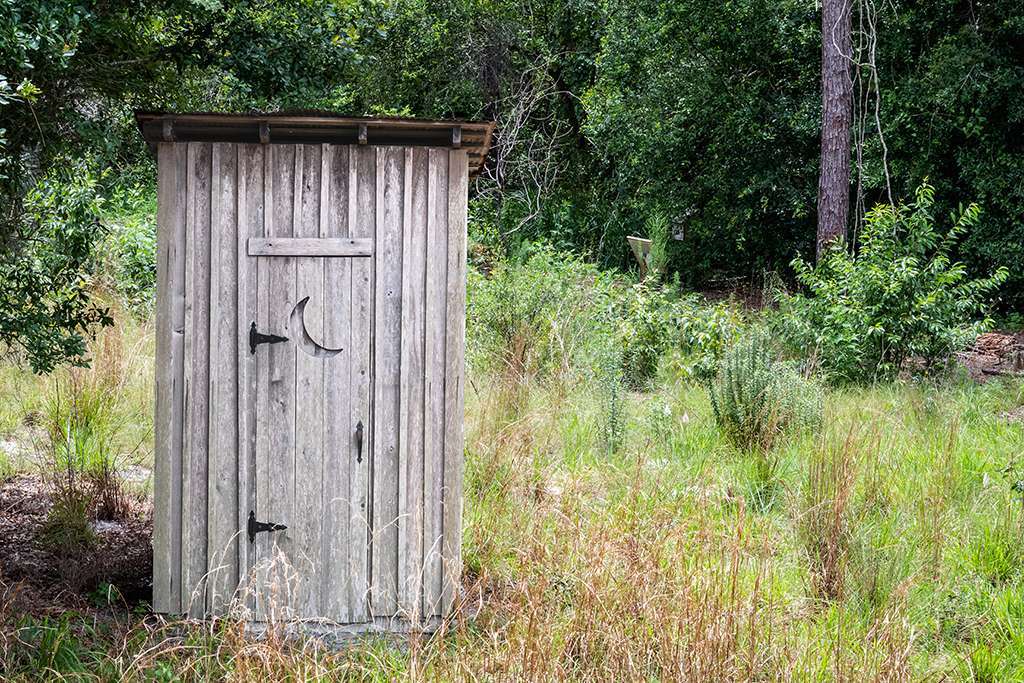
When Was Plumbing Invented? The Indoor Plumbing History Every Homeowner Should Know
If you have ever wondered when indoor plumbing was invented, you are not alone. It is one of the most common questions we hear at Drain Express, where we have spent 20-plus years servicing homes across Durham, Raleigh, Chapel Hill, and the surrounding Triangle area of North Carolina. The answer takes you back further than most people expect, and the journey from outdoor privies to the modern plumbing system in your home today is worth understanding.
When Was Indoor Plumbing Invented in the United States?
Modern indoor plumbing in the United States began in New York City in 1842, when the completion of the Croton Aqueduct brought pressurized water into the city for the first time. That pressurized supply made it possible to move water inside buildings rather than relying on outdoor wells and hand pumps. Builders and city planners recognized the opportunity quickly, and residential plumbing installations for wealthy households began appearing in the 1850s.
The technology spread slowly, though. By 1920, only 1% of all U.S. homes had both electricity and indoor plumbing. That figure puts into perspective just how recent this convenience really is. Early systems also lacked proper venting, which caused foul-smelling backups and frequent clogs. The plumbing in your home today is the result of generations of engineering improvements built on top of those early New York City installations.
When Was Plumbing Invented? The Ancient Roots You Did Not Expect
Plumbing was invented thousands of years before the United States existed, with evidence of flushing toilets found as early as 1700 BC on the island of Crete. Archaeologists discovered that these ancient systems used an overhead tank of water to flush waste into a sophisticated underground sewage network beneath the palace at Knossos.
Ancient Rome and Greece built even more elaborate water systems. Roman aqueducts carried fresh water across hundreds of miles into cities, where public baths, fountains, and latrines relied on continuous water flow. Gravity-fed sewers like the Cloaca Maxima in Rome carried waste away from populated areas. These ancient engineers understood the same core principle that guides plumbing today: clean water in, waste water out. The materials have changed dramatically, but the fundamental logic has not shifted much in 2,000 years. When you look at how a modern sewer line functions in a Durham or Raleigh home, you are looking at a direct descendant of those Roman engineering decisions.
When Was Modern Plumbing Invented?
Modern plumbing as we recognize it today began taking shape in the mid-1800s, when pressurized municipal water systems, flush toilets, and interior drain networks started appearing together in urban buildings. The first patent on a flushing toilet was filed by Alexander Cummings in 1775, but it took another century for the connected system of supply lines, drains, traps, and vents to come together in a form close to what you have in your home right now.
The S-trap Cummings helped popularize is a direct ancestor of the P-trap found under every sink in your home today. That curved section of pipe holds a small amount of water that blocks sewer gases from entering your living space. It is a simple idea that has remained effective for over two centuries. When a drain starts behaving oddly, that trap is often the first place a plumber will check.
| Year | Milestone | Significance |
|---|---|---|
| 1775 | Alexander Cummings patents the flush toilet | Introduced the valve and trap design still used today |
| 1842 | Croton Aqueduct opens in New York City | First large-scale pressurized water supply in the U.S. |
| 1850s | Residential plumbing installations begin | Wealthy households gain indoor water access |
| 1857 | Joseph Gayetty sells commercial toilet paper | First product designed specifically for toilet use |
| 1880s | Perforated toilet paper rolls introduced | Created the format still in use today |
| 1920 | 1% of U.S. homes have plumbing and electricity | Shows how slowly the technology spread |
| 1930s | FHA requires indoor plumbing in financed homes | Federal standards accelerated widespread adoption |
| 1950s-1960s | Suburban boom brings plumbing to most new homes | Indoor plumbing becomes a baseline expectation |
When Did Indoor Plumbing Start in American Homes?
Indoor plumbing started appearing in American homes in the 1850s, beginning with wealthy households in New York City and other large urban centers. These early installations were expensive and limited in function compared to modern systems. A home might have a water closet on one floor supplied by a rooftop tank, with no real drainage system beyond a pipe that emptied into a cesspool or open channel.
The gap between wealthy early adopters and everyone else was significant. Working-class urban families and most rural households had no indoor plumbing well into the 1900s. The technology existed, but the infrastructure, cost, and political will to extend it broadly were slow to develop. If you own an older home in Durham or Chapel Hill, the plumbing in the walls may reflect several different eras of installation, each one an upgrade on what came before.
When Was Running Water Invented?
Running water inside buildings was first achieved at scale in the United States with the opening of the Croton Aqueduct in New York City in 1842, though ancient Roman aqueducts delivered pressurized running water to public buildings and fountains as far back as 312 BC. The concept of moving water through pipes using gravity or pressure is ancient, but delivering it reliably into private homes is a much more recent achievement.
In the Triangle area of North Carolina, municipal water systems developed through the late 1800s and early 1900s as cities like Raleigh and Durham grew. Homes connected to these systems gained running water well before rural communities did. Rural areas around Hillsborough, Pittsboro, and Siler City often relied on wells and hand pumps much longer than their urban neighbors. If you have ever wondered why you have no water in your home, understanding how your supply connects to that municipal infrastructure helps explain what can go wrong.
When Did New York City Get Indoor Plumbing?
New York City got its first large-scale indoor plumbing infrastructure in 1842, when the Croton Aqueduct opened and delivered pressurized fresh water from Westchester County through 41 miles of enclosed brick tunnel into Manhattan. Before that, New York residents relied on wells, cisterns, and water carriers.
Once pressurized water arrived, the infrastructure to use it inside buildings followed quickly for those who could afford it. Public bathhouses opened, wealthy neighborhoods installed private water connections, and the city began building a sewer network to handle the increased wastewater. By the 1880s, indoor plumbing had become common in middle-class New York homes. The city’s early investment proved that centralized water and sewer systems could dramatically improve public health, reducing the spread of cholera and typhoid that had devastated urban populations earlier in the century. Other American cities followed New York’s approach over the following decades.
When Did Indoor Plumbing Become Common Across the Country?
Indoor plumbing became common in most American homes during the 1950s and 1960s, driven by the post-World War II suburban housing boom and federal mortgage standards that required indoor plumbing in any home financed through federally backed loans. Before those standards took hold in the 1930s, large portions of the country, particularly rural areas and lower-income urban neighborhoods, had no indoor plumbing at all.
The 1920 figure of just 1% of homes having both electricity and indoor plumbing shows how far the country had to travel in a short time. The Federal Housing Administration’s requirements in the 1930s pushed adoption higher, and by the time the Triangle area of North Carolina saw its major suburban growth in the 1950s and 1960s, indoor plumbing was a standard feature of new construction. Older homes in Durham, Chapel Hill, and Raleigh built before those standards may still carry some of the original plumbing infrastructure, which is one reason older homes sometimes need more attention from an experienced plumber.
Who Invented Indoor Plumbing?
No single person invented indoor plumbing. It developed over thousands of years through the work of engineers, city planners, and inventors across many cultures. The ancient Minoans on Crete built flushing toilets around 1700 BC. Roman engineers designed aqueducts and sewer systems that served millions of people. Alexander Cummings patented the first modern flush toilet valve in 1775. New York City engineers designed the Croton Aqueduct system that opened in 1842 and brought pressurized water into American buildings for the first time.
Each generation built on the work of the one before it. The plumbing system in your home today reflects contributions from ancient civilizations, 18th-century inventors, 19th-century civil engineers, and 20th-century manufacturers who developed better materials like copper, PVC, and PEX pipe. There is no single inventor to credit, but there is a long line of practical problem-solvers who cared about getting clean water in and waste water out reliably.
When Did Plumbing Start Shaping Daily Life? The Toilet Paper Connection
Plumbing started shaping everyday household life visibly in the mid-1800s, and the invention of commercial toilet paper in 1857 is a useful marker for how daily habits changed alongside plumbing improvements. Before toilet paper was available, people used materials like corn cobs, rags, leaves, and old catalog pages. The Farmers’ Almanac, starting in 1919, drilled a hole in the corner of each issue so readers could hang it in the outhouse.
Joseph Gayetty introduced commercial toilet paper in 1857, selling it in packs of 500 sheets for 50 cents each and marketing it as a medical product called Gayetty’s Medicated Paper. Perforated rolls on a dispenser did not appear until the 1880s. The product most people take for granted today is barely 150 years old, and the indoor plumbing system that makes using it convenient is even newer in most American homes. When your plumbing needs attention after hours, it is a reminder of just how much daily life now depends on a system that most households did not have a century ago.
How Far Plumbing Has Come Since the 1800s
Plumbing has changed more in the last 100 years than in the previous 2,000. From pressurized copper and galvanized steel pipes of the mid-twentieth century to the PVC and PEX systems installed in homes today, the materials and methods have continuously improved. Water heaters, pressure regulators, backflow preventers, and low-flow fixtures are all modern additions that make your home’s plumbing system safer, more efficient, and more comfortable than anything available to previous generations.
As plumbing has grown more capable, it has also grown more complex. A leak or clog that might have been a straightforward fix on older pipe systems can involve multiple interconnected components in a modern home. Diagnosing the real source of a problem requires training and hands-on experience. The benefit of a modern system is better performance and reliability when it is properly installed and maintained. The challenge is that repairs and upgrades require a trained plumber who understands how all those components work together. That is where 20-plus years of local experience in Durham, Raleigh, Chapel Hill, and the surrounding Triangle communities makes a real difference.
Quick Recap
- The earliest known indoor plumbing dates to around 1700 BC on the island of Crete.
- Ancient Rome built large-scale aqueducts and sewer systems beginning around 312 BC.
- Alexander Cummings patented the modern flush toilet valve in 1775.
- The U.S. got its first large-scale pressurized water system when the Croton Aqueduct opened in New York City in 1842.
- Residential plumbing installations for wealthy U.S. households began in the 1850s.
- By 1920, only 1% of U.S. homes had both electricity and indoor plumbing.
- Federal Housing Administration standards in the 1930s required indoor plumbing in federally financed homes, accelerating adoption.
- Indoor plumbing became standard in most American homes during the post-World War II suburban boom of the 1950s and 1960s.
- No single inventor created indoor plumbing. It developed across thousands of years and many cultures.
- Older homes in Durham, Chapel Hill, and Raleigh may still contain plumbing from multiple eras that benefits from regular professional inspection.
Frequently Asked Questions
When was indoor plumbing invented in the United States?
Indoor plumbing in the United States began in 1842 when the Croton Aqueduct opened in New York City and delivered pressurized water into the city for the first time. Residential installations started in the 1850s for wealthy households, but the technology did not reach most American homes until the 1950s and 1960s.
When was plumbing first invented in human history?
The earliest known plumbing systems date to around 1700 BC on the island of Crete, where archaeologists found flushing toilets connected to underground drainage at the palace of Knossos. Ancient Rome built extensive aqueducts and sewers beginning around 312 BC.
When did indoor plumbing become common in American homes?
Indoor plumbing became common in most American homes during the 1950s and 1960s, driven by the post-World War II suburban housing boom and federal mortgage standards requiring indoor plumbing in financed homes. Before the 1930s, a large portion of U.S. households had no indoor plumbing at all.
When did New York City get indoor plumbing?
New York City got its first large-scale indoor plumbing infrastructure in 1842 with the opening of the Croton Aqueduct. By the 1880s, indoor plumbing had become common in middle-class New York homes.
Who invented indoor plumbing?
No single person invented indoor plumbing. It developed over thousands of years. Key contributors include ancient Minoan and Roman engineers, Alexander Cummings who patented the flush toilet valve in 1775, and the civil engineers who designed the Croton Aqueduct in New York City, which opened in 1842.
When was running water first available inside homes?
Running water inside homes became available at scale in the United States starting in the 1850s in New York City, following the 1842 opening of the Croton Aqueduct. Ancient Roman buildings had running water supplied by aqueducts much earlier, but private residential running water was rare until the mid-to-late 1800s even in major American cities.
When was indoor plumbing invented compared to when it became standard?
Indoor plumbing in the U.S. was introduced in the 1840s and 1850s, but it took roughly 100 years to become standard in most American homes. By 1920, only 1% of homes had both electricity and indoor plumbing. It was not until the 1950s and 1960s that indoor plumbing became a baseline expectation in new residential construction nationwide.
Work With a Triangle Plumber Who Knows Your Home
At Drain Express, we work with plumbing systems in homes across the Triangle every day, from older Durham houses with decades-old pipe systems to newly built homes in Cary, Apex, and Holly Springs. We serve Durham, Chapel Hill, Raleigh, Carrboro, Burlington, Apex, Cary, Morrisville, Holly Springs, Garner, Wake Forest, Hillsborough, Pittsboro, Mebane, Siler City, and Fuquay-Varina.
Whether you are dealing with a weekend emergency or planning a plumbing upgrade, you deserve straight answers and honest work from someone who knows what they are doing. Reach out online or Call Us at (919) 968-0070 to talk with a plumber who takes pride in getting it right the first time.