
Copper plumbing is reliable, long-lasting, and safe for drinking water — but it costs more than modern alternatives like PEX and requires proper insulation to prevent freeze damage. Whether copper pipes are right for your home depends on your budget, your home’s construction, and how well your pipes are protected from cold weather.
Is Copper Plumbing Good?
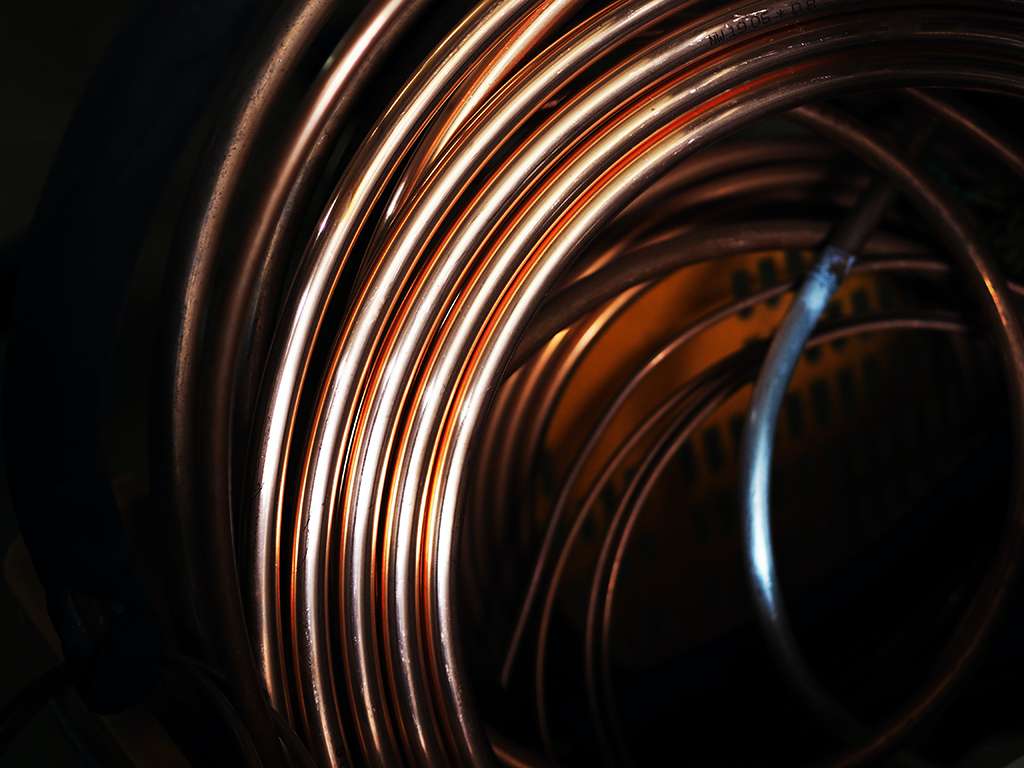
Yes, copper plumbing is good. If you are a homeowner in Durham, Chapel Hill, Raleigh, or anywhere else in the Triangle area wondering whether copper is worth it, the short answer is: it has earned its reputation. Copper has proven itself reliable for well over 50 years per installation, it does not pollute drinking water the way lead or iron pipes can, and it holds its joints and connections tight longer than most other pipe materials. Copper started appearing widely in homes during the 1930s and 1940s, reached peak use in the 1960s, and remains a trusted choice today. Even ancient Rome used copper pipes to carry water for hundreds of years. That kind of track record is hard to argue with.
Copper pipes also resist breakage, sagging, and loose connections over time. If you own an older home in the Triangle area, there is a good chance the copper pipes already in your walls are still doing their job well. With 20+ years of experience serving homeowners across Durham, Chapel Hill, Raleigh, and surrounding communities, the team at Drain Express has seen firsthand how well-maintained copper plumbing holds up decade after decade.
Benefits of Copper Pipes for Your Home
The advantages of copper pipes go beyond just durability. Understanding what copper actually delivers helps you make a smarter decision for your home and budget. Here are the core benefits of copper pipes that have kept this material in use for nearly a century.
- Long lifespan: Copper pipes routinely last well over 50 years under normal residential conditions. Many homes in Durham and Raleigh built in the 1950s and 1960s still have their original copper plumbing working reliably today.
- Safe water delivery: Copper does not leach harmful contaminants into your drinking water under normal conditions. This is one of the primary reasons copper replaced lead and iron pipes in homes throughout the 20th century.
- Tight, lasting connections: Copper holds its joints and fittings securely over time, reducing the risk of slow leaks that cause hidden water damage inside walls and floors.
- Corrosion resistance: Unlike iron, copper does not rust into your water supply. It handles the pressures of a residential plumbing system for decades without the corrosion issues that plague older metal pipes.
- Proven track record: No other residential pipe material has the same length of real-world performance data behind it. Copper has been tested across generations of homes and consistently delivers on durability and water quality.
- Clean appearance: Exposed copper pipes have a traditional, finished look that suits older and historic homes where aesthetics matter alongside function.
The advantages of copper pipes are real and well documented. For homeowners who prioritize water quality and long-term reliability, copper delivers on both counts every time it is properly installed and insulated.
Is Copper Plumbing Bad? Real Drawbacks to Know
Copper plumbing is not bad, but it has real drawbacks that every homeowner should understand before committing to it. Knowing where copper falls short helps you decide whether it is the right fit for your specific home and situation.
Freeze vulnerability. Copper expands and contracts when temperatures drop. If your crawlspace is not well insulated and protected during winter, copper pipes can freeze, and that repeated expansion and contraction causes leaks over time. Proper insulation is not optional with copper. It is essential. Triangle area winters are milder than many parts of the country, but crawlspaces and exterior walls can still reach temperatures that put uninsulated copper at risk.
Higher upfront cost. Copper runs approximately $2.00 per foot, compared to roughly $0.50 per foot for PEX. For a full home repiping project, that price difference adds up quickly. If budget is a primary concern, the cost of copper is a real factor to weigh.
Theft risk. Copper is a highly recyclable and valuable metal. Because it can be sold for a significant amount, copper pipes are a target for theft, particularly in vacant or partially insulated homes. Keeping your home’s security system active helps reduce this risk.
Specialized installation required. Copper pipe installation is not a do-it-yourself project. It requires professional tools, training, and technique to route, join, and insulate correctly. Improper installation leads to leaks, water damage, and costly repairs down the road.
These drawbacks are manageable with the right planning and professional installation. But they are worth knowing about before you decide whether copper is the right call for your home.
Are Copper Pipes Safe for Drinking Water?
Yes, copper pipes are safe for drinking water. Unlike lead or iron pipes, copper does not leach harmful contaminants into your water supply under normal operating conditions. This is one of the main reasons copper replaced older pipe materials in homes throughout the 20th century, and why it remains a standard choice for clean water delivery today.
If you own an older home in Durham, Raleigh, Chapel Hill, or the surrounding Triangle communities and you are wondering whether your existing copper pipes are safe, the answer in most cases is yes. Copper has a well-established safety record for residential water delivery. It does not introduce the kind of water quality concerns associated with lead pipes, which were common in homes built before the 1940s, or the rust and corrosion problems associated with iron plumbing.
One thing worth noting: copper pipes that are very old and show signs of pinhole leaks, green corrosion staining, or significant mineral buildup should be evaluated by a licensed plumber. While copper itself is safe, pipes that are deteriorating past their useful life need attention. A qualified plumber can assess whether your existing copper is still performing well or whether a replacement makes more sense.
Why Are Copper Pipes Used for Plumbing?
Copper pipes are used for plumbing because they combine durability, water safety, and long-term reliability in a way that most other materials cannot match. Their performance is the core reason they became the standard for residential plumbing starting in the 1930s and remained dominant for decades. Understanding why copper became so widely adopted helps explain why it is still being installed in homes today, even as alternatives like PEX have entered the market.
Iron corrodes and can rust into your water supply over time. Lead is a serious health hazard that has been removed from plumbing systems across the country over the past several decades. Copper avoids both problems while remaining strong enough to handle the pressures of a residential water system for 50 or more years without significant degradation.
Copper also holds its connections and fittings securely. This matters because loose or failing joints are one of the most common sources of slow leaks that cause hidden water damage inside walls and under floors. A copper system that is properly installed by an experienced plumber and appropriately insulated gives you decades of reliable, low-maintenance service.
For homeowners in Durham, Raleigh, Cary, Apex, and the rest of the Triangle area, copper’s proven history in residential plumbing is part of why it remains a go-to recommendation for homeowners who want the most dependable long-term option and have the budget to support it.
Is Copper the Best Material? Copper vs. PEX
Copper is one of the best plumbing materials available, but it is not automatically the right choice for every home or every budget. Modern alternatives like PEX offer flexibility, lower cost, and easier installation in many applications. Whether copper or PEX fits your situation better depends on your home, your priorities, and what a qualified plumber recommends after seeing your specific setup.
| Factor | Copper | PEX |
|---|---|---|
| Lifespan | 50+ years | Varies by conditions |
| Water Safety | Does not pollute water | Generally safe |
| Cost (approx.) | About $2.00 per foot | About $0.50 per foot |
| Freeze Resistance | Prone to freezing; needs insulation | More adaptable to temperature changes |
| Flexibility | Rigid; specialized installation required | Flexible; easier to route |
| Theft Risk | High value; target for theft | Low theft risk |
| Aesthetics | Clean, traditional appearance | Functional but less traditional |
If clean water delivery and long-term durability are your top priorities and your budget supports the upfront cost, copper remains an excellent material. If upfront cost is the bigger concern, PEX delivers solid performance at a significantly lower price per foot. Many homeowners in the Triangle area choose PEX for new construction or full repiping projects and copper for specific applications where its track record and water quality advantages matter most.
You might choose copper over PEX when you want the cleanest possible water delivery, the longest proven track record, or a traditional look in exposed plumbing. Copper has been tested across generations of residential use and consistently delivers on both durability and water quality. But if you are putting copper into a home where the crawlspace or pipe runs are not well insulated, the freeze risk becomes a real concern that needs to be addressed before installation begins.
Should You Have Copper Installed in Your Home?
Copper is a solid material for residential plumbing, and it is worth considering if you value water quality and long-term durability above all else. That said, today’s alternatives like PEX are more adaptable and significantly more affordable, with copper running about $2.00 per foot compared to roughly $0.50 per foot for PEX. For many homeowners in Cary, Morrisville, Apex, Holly Springs, Garner, Wake Forest, Hillsborough, Pittsboro, Mebane, Siler City, Fuquay-Varina, Carrboro, Burlington, and across the Triangle, the cost difference between the two materials is a meaningful factor in the decision.
If you decide copper is the right fit for your home, two things are non-negotiable: proper insulation to prevent freeze damage, and professional installation. Copper pipe work is a specialized skill. It is not a do-it-yourself project. A qualified, licensed plumber will make sure your pipes are routed, joined, and insulated correctly so you get the full benefit of copper’s lifespan rather than dealing with leaks and repairs in a few years.
If you are unsure which material fits your home best, the right move is to call a professional plumbing service and get a straightforward assessment before committing to either option. With 20+ years of experience helping homeowners across Durham, Chapel Hill, Raleigh, and the surrounding Triangle area, Drain Express can give you an honest answer based on your home’s specific layout, insulation, and budget.
Quick Recap
- Copper plumbing is reliable and has been used in homes since the 1930s and 1940s.
- Copper pipes can last well over 50 years and do not pollute drinking water like lead or iron pipes.
- The main drawbacks are freeze vulnerability, higher cost, and theft risk due to the material’s resale value.
- Copper costs about $2.00 per foot; PEX costs about $0.50 per foot.
- Proper insulation is essential for copper pipes, especially in crawlspaces during Triangle area winters.
- PEX is a strong modern alternative that is more affordable and more flexible to install.
- Copper installation requires a professional plumber. It is not a DIY project.
- The best choice for your home depends on your budget, insulation, and water quality priorities.
Frequently Asked Questions
How long do copper pipes typically last?
Copper pipes have a proven lifespan of well over 50 years under normal residential conditions. With proper installation and insulation, many copper plumbing systems last significantly longer. Homes in Durham, Raleigh, and Chapel Hill built in the 1940s through the 1960s frequently still have their original copper pipes in serviceable condition today. The key factors are professional installation, adequate insulation in crawlspaces and unconditioned spaces, and routine inspection to catch any early signs of corrosion or pinhole leaks before they become bigger problems.
Are copper pipes safe for drinking water?
Yes. Copper does not leach harmful contaminants into your water supply under normal operating conditions, which is one of the main reasons it replaced lead and iron pipes in homes throughout the 20th century. It is considered a safe material for delivering drinking water and does not introduce the health concerns associated with lead pipes or the rust and discoloration that can come from corroding iron. If your copper pipes are old and showing visible signs of deterioration, a licensed plumber can evaluate whether they are still performing safely or whether replacement makes sense.
Can copper pipes freeze and burst?
Yes. Copper is prone to freezing, and the expansion and contraction caused by repeated temperature changes can lead to leaks or pipe failure over time. Proper insulation of copper pipes, especially in crawlspaces, exterior walls, and other unheated areas, is essential to prevent this problem. In the Triangle area of North Carolina, winters are generally mild, but temperatures do drop low enough to put uninsulated copper at risk during cold snaps. If your crawlspace is not well insulated and heated during winter months, freeze protection for copper pipes needs to be part of your plan.
Why are copper pipes sometimes stolen?
Copper is a highly recyclable and valuable metal that can be sold for a significant amount at scrap yards and recycling facilities. This makes copper pipes a target for theft, particularly in vacant homes, properties under renovation, or buildings with accessible crawlspaces. Keeping your home’s security system active and ensuring accessible pipe areas are secured helps reduce this risk. If you are buying a home that has been vacant for any period of time, having a plumber inspect the copper pipes before closing is a smart precaution.
Is PEX better than copper for residential plumbing?
PEX and copper each have real strengths, and neither is universally better for every situation. PEX is more affordable at about $0.50 per foot compared to $2.00 per foot for copper, it is more flexible and easier to route through existing walls, and it handles temperature changes without the freeze risk that copper carries. Copper offers a longer proven track record, does not pollute water, and holds tight connections for decades when properly installed. For many homeowners in the Triangle area, PEX makes practical sense for full repiping projects. For others, copper’s durability and water quality record make it the right call. The best answer depends on your home’s specific construction, your budget, and what a qualified plumber recommends after evaluating your situation.
Can I install copper pipes myself?
No. Copper pipe installation is a highly specialized skill that requires professional training, proper tools, and hands-on experience. Improperly joined copper fittings can fail and cause leaks inside walls and under floors, leading to significant water damage and costly repairs. Always hire a licensed plumber for copper pipe installation or repair. If you are in the Durham, Chapel Hill, Raleigh, or surrounding Triangle area and need copper pipe work done correctly the first time, Drain Express has the experience to handle it.
Do older homes in the Triangle area commonly have copper pipes?
Yes. Homes built from the 1940s through the 1980s in Durham, Chapel Hill, Raleigh, Carrboro, Burlington, and the surrounding Triangle communities commonly have copper plumbing. If your home was built during this period, there is a strong chance copper pipes are already part of your system. In many cases, these pipes are still in good working condition and worth keeping. A plumber can inspect the existing copper and tell you whether it is holding up well or showing signs that repair or replacement should be considered.
Ready to Get a Straight Answer About Your Plumbing?
Whether you are trying to decide if copper plumbing is good for your next project, evaluating the pipes already in your home, or dealing with a plumbing issue that needs attention now, Drain Express is here to help. We serve homeowners throughout Durham, Chapel Hill, Raleigh, Carrboro, Burlington, Apex, Cary, Morrisville, Holly Springs, Garner, Wake Forest, Hillsborough, Pittsboro, Mebane, Siler City, and Fuquay-Varina with honest assessments, transparent pricing, and 24/7 availability for emergencies. No pressure. No guesswork. Just straight answers from experienced plumbers who take pride in their work. Call Us at (919) 968-0070